
A list can count without weighing
One side has twelve items. The other has seven. You add salary, commute, flexibility, reputation, timing, and what your friends think. The page looks more complete, but the decision is no closer.
The problem may not be missing information. A list treats each entry as if it belongs to the same unit. In practice, one item may represent security for your family while five others represent convenience. One may protect dignity while several describe temporary discomfort. Counting hides that difference.
Find what each side is protecting
Instead of adding another advantage, ask what the option protects. Staying might protect income, continuity, belonging, or a promise. Leaving might protect health, self-respect, possibility, or time. These are not points in a score. They are values that may conflict.
Next, name the cost in language that is difficult to minimize. Not choosing also has a cost. Keeping an option open consumes attention, delays other plans, and can make the current arrangement feel temporary long after it has become your life.
For each realistic option, write only three lines: This protects... This costs... This asks me to accept... If a line stays vague, that is where more information may be needed.
Separate facts, forecasts, and loyalties
A fact can be checked: the salary is lower, the lease ends in October, the commute takes ninety minutes. A forecast is conditional: I may regret leaving, they may change, the market may improve. A loyalty is relational: I do not want to disappoint the person who gave me this chance.
All three can matter, but they should not be presented as equivalent evidence. A loyalty may explain why a small factual difference carries enormous weight. A forecast may need a reversible test rather than another argument.
- Mark facts that can be verified now.
- Turn forecasts into conditions you could observe.
- Name loyalties without automatically treating them as obligations.
- Leave unknowns visible instead of filling them with the loudest fear.
The blank pages matter too
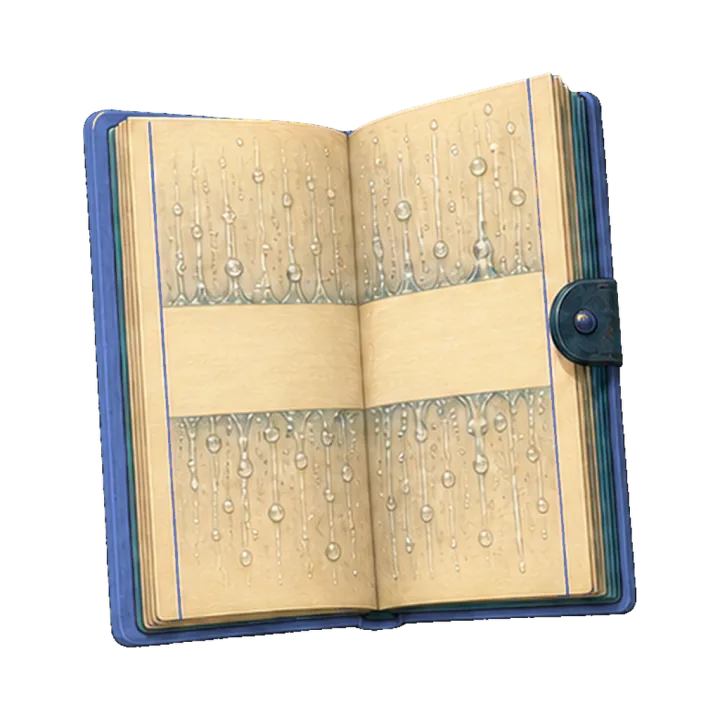
The Rain Ledger recorded every storm and left sunny days blank. Years later, its empty pages showed when the garden had needed attention without receiving it. A person can build a similar ledger around vivid problems and omit long stretches of ordinary evidence.
This is not the symbol telling the reader what the blanks mean. One reader may notice that quiet weeks contradict a story of constant crisis. Another may notice that the absence of conflict came from making themselves smaller. The detail becomes useful only when the reader names the connection.
A clearer list has fewer rows
The most useful decision summary may fit on half a page: the two values in conflict, the cost each path requires, the unknown that could change the answer, and the smallest test available before an irreversible step.
A good framework does not make loss disappear. It makes the loss honest enough that you can decide which one belongs to the life you are choosing.
Questions people ask
Are pros-and-cons lists bad for decisions?
No. They are useful for collecting facts and noticing practical differences. They are less useful when items carry very different emotional or ethical weight.
What should replace a pros-and-cons list?
Try comparing what each option protects, costs, and asks you to accept, then identify which missing fact could genuinely change the choice.
How do I choose between two bad options?
Compare what each option protects, the cost it cannot remove, and what it asks you to accept. The aim is not to discover a painless option. It is to decide which cost belongs to a direction you can own.